
Community
DOJ election monitors could be present in Minnesota: What you should know
By Katherine Langford
Advertisement · Why this ad?
Katherine oversees editorial operations across all six brands. Before joining The Meridan Group, she spent 14 years at the Minneapolis Star Tribune, where she led the metro desk through its digital transformation. She holds a Master's in Journalism from Northwestern's Medill School.
More from Katherine →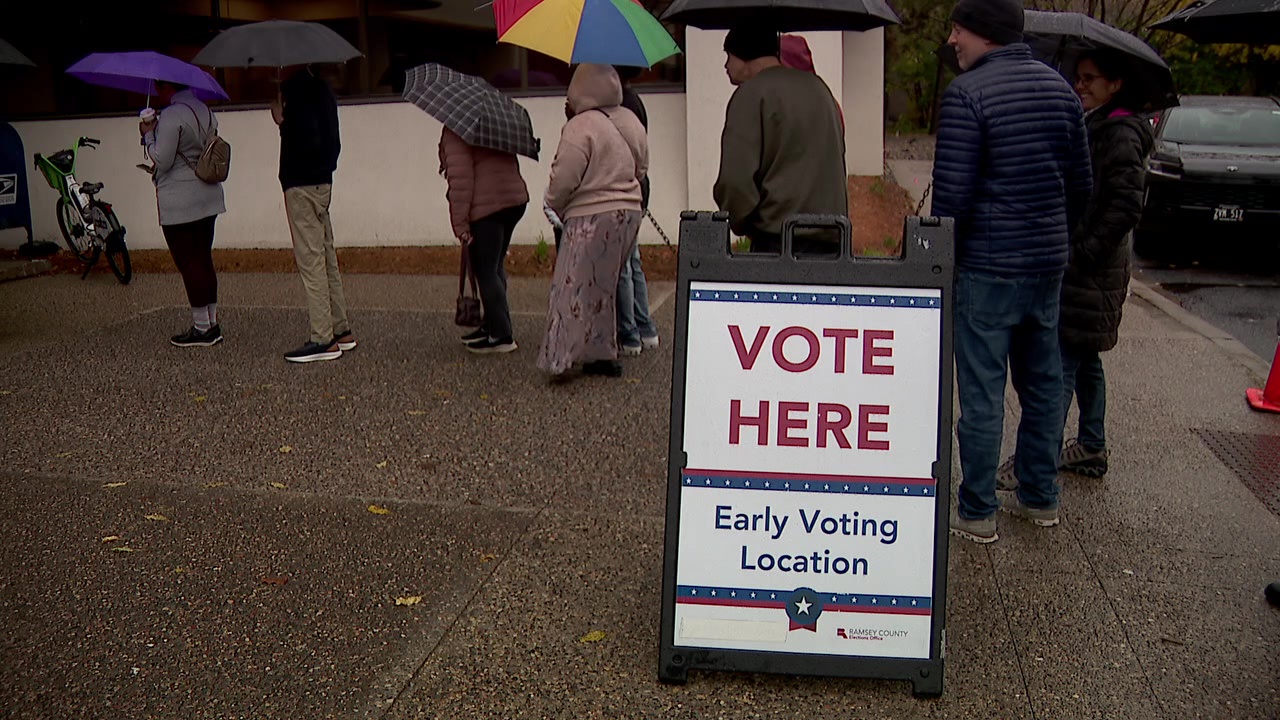
As the sun dipped below the horizon on the eve of Election Day, a steady drizzle began to fall across Minnesota, prompting many voters to grab their umbrellas. It was a familiar scene, one that has played out on numerous Election Days throughout the state’s history. Yet this year, the rain raised a question that has intrigued political scientists and voters alike: could the weather influence the outcome of this pivotal midterm election? With the Minnesota Secretary of State's Office, led by Secretary Steve Simon, preparing for a busy day on November 3, the implications of rain on voter turnout take center stage.
On November 3, Minnesota voters faced the prospect of rain as they headed to the polls. The Secretary of State's Office provided an update on early voting turnout and expectations for Election Day, emphasizing that rain could potentially affect voter participation. However, research suggests that Minnesota's unique voting landscape may mitigate the impact of wet weather.
A notable study conducted by political science professors examined presidential elections from 1940 to 2000, concluding that an inch of rain above the norm could decrease voter turnout by nearly 1%. Dr. Brad Gomez, a professor at Florida State University, highlighted the significance of this seemingly small percentage, noting that it could have altered the course of American history in close elections.
For instance, Gomez pointed out that Richard Nixon might have secured a victory over John F. Kennedy in 1960 had the weather been worse on Election Day. Similarly, he speculated that Al Gore could have triumphed over George W. Bush in 2000 if rain had not swept through the Florida Panhandle. The implications of weather on voting patterns are complex, and Minnesota's experience is no exception.
While the prospect of rain may deter some voters, many Minnesotans remain committed to exercising their right to vote regardless of the weather. On the Monday before the election, a line of determined voters formed outside early voting locations in St. Paul, umbrellas in hand, ready to make their voices heard. The early voting process has become a staple of Minnesota elections since its introduction in 2000, allowing voters to cast their ballots ahead of Election Day.
Dr. David Schultz, a political science professor at Hamline University, noted that the rise of early voting has changed the dynamics of voter turnout. "Only about a third of American voters these days are voting on Election Day," he explained, emphasizing that this shift reduces the number of individuals who might be influenced by inclement weather.
Historically, weather has played a role in shaping voter turnout across the United States. In Minnesota, the 2018 midterm election saw a record turnout despite adverse weather conditions, including rain and snow. This suggests that local factors, such as the state’s commitment to civic engagement, may outweigh the effects of rain.
Moreover, the notion that certain demographics are more susceptible to weather-related turnout fluctuations has been challenged by recent findings. Dr. Schultz remarked, "There used to be this argument also that said, well, Democrats are more what, fair weather voters, Republicans are more hardcore. Maybe we're just a hardy group, but weather doesn't seem to affect our turnout very much whatsoever." This resilience reflects the community's dedication to participating in the democratic process.
The evolution of voting practices in Minnesota has significantly influenced how weather impacts voter turnout. With the advent of early voting and absentee ballots, voters have more options than ever before. This flexibility allows individuals to avoid potential weather-related obstacles on Election Day.
In light of these changes, experts suggest that the impact of rain on voter turnout may be less pronounced than in previous decades. As voters increasingly take advantage of early voting opportunities, the number of individuals affected by adverse weather conditions on Election Day continues to decline. Dr. Gomez noted, "Extreme weather events could still make an impact on Election Day, including snow in Atlanta or a blizzard in Minnesota. Ordinary rain may just mean more umbrellas."
While rain may pose challenges for some voters, it is essential to consider the broader context of Minnesota's electoral landscape. The state's commitment to civic engagement, combined with innovative voting practices, has fostered a culture of participation that transcends weather-related hurdles. As Election Day approaches, the focus shifts from potential weather disruptions to the importance of ensuring that every voice is heard.
As Minnesotans prepare to head to the polls, it is crucial to recognize the efforts of local organizations and community leaders who work tirelessly to promote voter turnout. Initiatives aimed at educating voters about their rights, providing resources for early voting, and encouraging civic engagement play a vital role in shaping the electoral process. Local organizations such as the League of Women Voters and various community coalitions have been instrumental in mobilizing voters, ensuring they are informed and prepared to make their voices heard. Their outreach efforts often include door-to-door canvassing, phone banks, and social media campaigns to reach a diverse audience.
As the dust settles after the election, the impact of weather on voter turnout will undoubtedly be a topic of discussion among political analysts and community members alike. While rain may have dampened spirits in some instances, the resilience of Minnesota voters remains a testament to their commitment to democracy.
Moving forward, it will be essential for policymakers and community leaders to continue fostering an environment that encourages voter participation, regardless of weather conditions. By prioritizing civic engagement and ensuring that all voices are heard, Minnesota can uphold its reputation as a leader in democratic participation.
As we reflect on the significance of this midterm election, let us celebrate the dedication of families and communities that come together to uphold the values of democracy. In a time when civic engagement is more critical than ever, Minnesota stands as a shining example of resilience and commitment to the American dream. The lessons learned from this election, particularly regarding the interplay between weather and voter participation, will inform future electoral strategies and community engagement efforts.
By Katherine Langford

By Katherine Langford
By Marcus Chen

By Marcus Chen