
Schools
Eden Prairie High steps up security after homecoming shooting
By Katherine Langford
Advertisement · Why this ad?
Katherine oversees editorial operations across all six brands. Before joining The Meridan Group, she spent 14 years at the Minneapolis Star Tribune, where she led the metro desk through its digital transformation. She holds a Master's in Journalism from Northwestern's Medill School.
More from Katherine →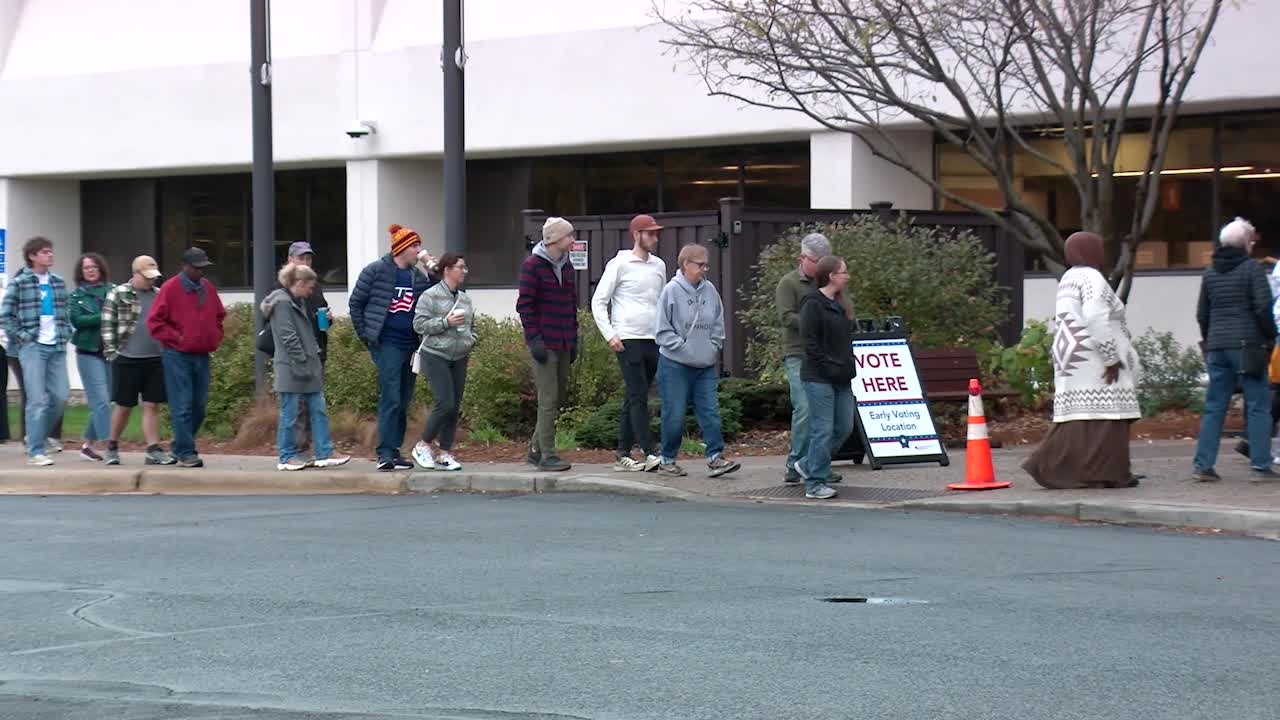
On a brisk Saturday morning, the air was filled with anticipation as the sun peeked over the horizon in St. Paul. Lines of eager voters snaked out the doors of polling places, a vivid testament to the mobilization of first-time voters. Among them was Jayden Kinsel, an 18-year-old who stood determinedly in line, his expression a mixture of hope and urgency. "I wanted to come out and vote because I want to make change," he shared, encapsulating the sentiments of many young voters who feel the weight of pressing issues on their shoulders.
As of now, more than 728,000 early votes have already been cast in Minnesota, with a significant portion coming from first-time voters like Kinsel. The motivations driving these young voters to the polls are deeply rooted in their experiences and the challenges they face daily. Issues such as rising costs of living, inequality, immigration, and education are at the forefront of their minds. Mackenzie Powell, another first-time voter from the University of Minnesota, echoed these concerns, stating, "The overall economic state that we’re in, I just think it’s not good and as a college student, it’s important to me that everyone’s needs are met."
This surge in early voting underscores a broader trend of civic engagement among younger generations. It reflects their desire not only to participate in democracy but also to advocate for policies that directly impact their lives. The upcoming November general election presents an opportunity for these voters to influence decisions on issues that matter most to them.
The upcoming election is pivotal for many reasons, particularly as it coincides with ongoing discussions about economic recovery and social equity. The COVID-19 pandemic has exacerbated existing inequalities, particularly in housing and education, leading many young voters to feel a sense of urgency. With the cost of living continuing to rise, the stakes have never been higher for first-time voters who are keenly aware of the challenges they face.
In Edina, where the cost of housing has become a significant concern, local leaders are aware of the impact these issues have on families. The Edina City Council has been actively discussing affordable housing initiatives, aiming to create a community where families can thrive without the constant burden of financial strain. This is a crucial conversation as residents express their desire for a community that supports strong marriages and intact families, which are essential to the fabric of society.
The voices of young voters are not just statistics; they represent a generation that is increasingly vocal about their needs and aspirations. Voter turnout among young people has historically been lower than other demographics, but this year, there is a palpable shift. Many young voters are motivated by a desire to see their concerns reflected in local policies.
Local organizations, such as the Edina Chamber of Commerce, have been instrumental in encouraging civic participation among younger residents. By hosting forums and informational sessions, they aim to equip first-time voters with the knowledge they need to make informed decisions. As these young voters step into the voting booth, they carry with them the hopes of their families and communities.
The economic landscape has a profound effect on families in Edina. Rising rents and housing costs are pushing many residents to their limits, prompting discussions about sustainable development and community support. For families striving to maintain stability, the burden of financial insecurity can lead to stress and uncertainty.
As Jayden Kinsel and Mackenzie Powell highlighted, affordability is a critical issue. "Like prices and affordability of stuff," Kinsel remarked, emphasizing that young voters are acutely aware of the economic pressures that affect their daily lives. This awareness has sparked a desire for change, driving them to the polls in unprecedented numbers.
Recognizing the urgency of the situation, several grassroots organizations have sprung into action, aiming to address the economic concerns voiced by young voters. Groups like the Edina Community Foundation have launched initiatives focused on financial literacy and affordable housing advocacy. They provide workshops that teach young adults about budgeting, saving, and navigating the housing market, which are crucial skills in a challenging economic landscape.
Furthermore, local high schools and colleges are also stepping up. For instance, the University of Minnesota has implemented programs that encourage civic engagement among students, offering resources and support for those who want to register and vote. This proactive approach aims to ensure that students understand the importance of their participation in the democratic process.
As the election approaches, the engagement of first-time voters will undoubtedly shape the outcome of various races. Their participation signals a generational shift in political engagement, one that prioritizes issues like economic equity and access to education. Local leaders are paying attention, recognizing that the voices of these young voters can no longer be ignored.
In the coming weeks, candidates will need to articulate clear plans to address the concerns raised by young voters. Whether it’s through policies aimed at reducing housing costs or enhancing educational opportunities, the pressure is on to respond to the needs of this emerging electorate. The stakes are high, and the outcome of the election may very well hinge on the ability of candidates to connect with these voters.
For those preparing to vote for the first time, resources abound to help navigate the process. The Minnesota Secretary of State’s website offers comprehensive information on registration, polling locations, and voting procedures. Additionally, local advocacy groups are providing support for first-time voters, ensuring they feel confident in making their voices heard.
As families in Edina and beyond look towards the future, the participation of young voters like Kinsel and Powell is a hopeful sign of civic engagement. Their commitment to making informed choices not only empowers them but also strengthens the community as a whole. In a time when strong marriages and intact families are crucial for societal stability, the voices of young voters can help pave the way for a brighter future.
The excitement surrounding this election is not just about the immediate outcomes but also about the long-term implications for the community. As young voters like Kinsel and Powell become more engaged, they are likely to inspire their peers to join in the democratic process. This could lead to a more informed and active electorate in future elections, where young voices are consistently heard and considered.
Moreover, the results of this election could set the stage for future policies that directly impact the lives of young people. Whether it’s through affordable housing initiatives, educational reforms, or economic support programs, the decisions made today will resonate for years to come. As such, the engagement of first-time voters is not merely a trend; it is a crucial component of a thriving democracy that reflects the values and needs of all its constituents.
By Katherine Langford
By Marcus Chen

By Katherine Langford
By Marcus Chen