Technology
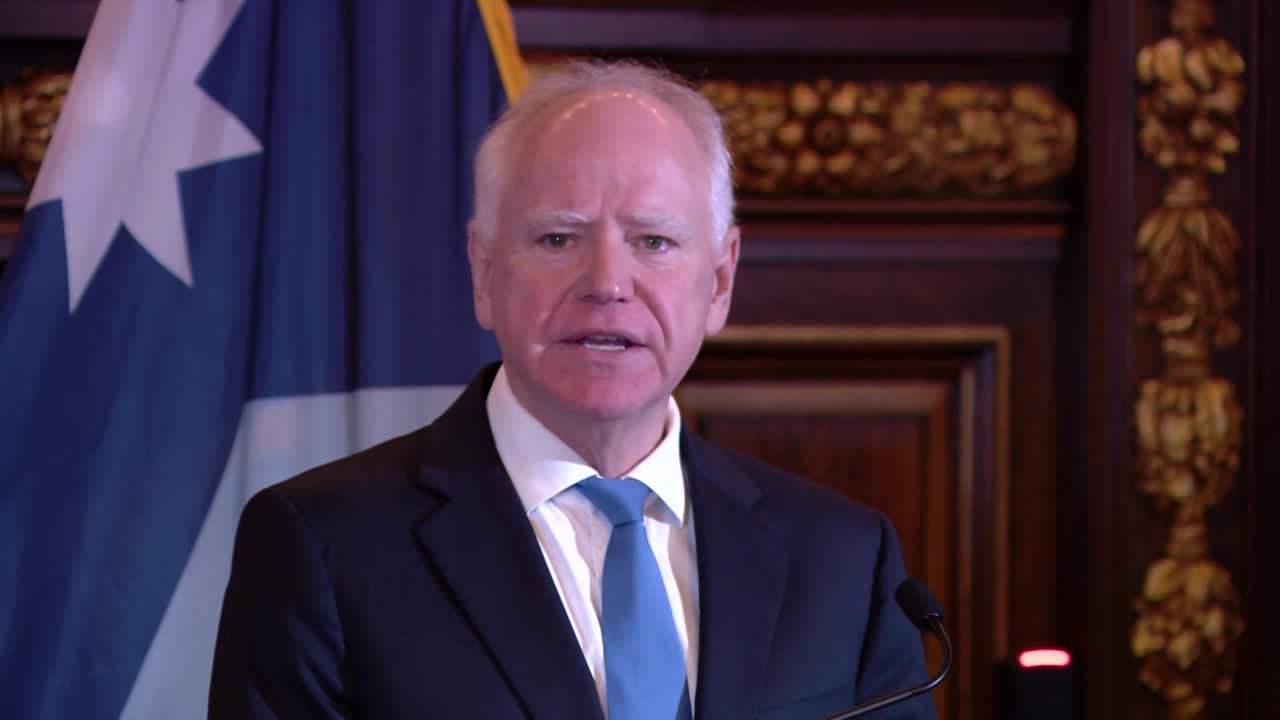
Gov. Tim Walz says he wants a secure state handoff in 2027
By Marcus Chen
Advertisement · Why this ad?
Katherine oversees editorial operations across all six brands. Before joining The Meridan Group, she spent 14 years at the Minneapolis Star Tribune, where she led the metro desk through its digital transformation. She holds a Master's in Journalism from Northwestern's Medill School.
More from Katherine →
On a crisp November morning, residents of Edina stepped outside to find the air freshened by the scent of rain-soaked earth. Children splashed in puddles, and neighbors exchanged smiles, a shared relief evident on their faces. The recent downpours have not only rejuvenated the landscape but also significantly improved the drought conditions that have gripped Minnesota for months. As the U.S. Drought Monitor reported, nearly half of the state is still classified as abnormally dry, but the situation is markedly better than it was just a week prior.
The recent rainfall in Minnesota has been a welcome relief amidst ongoing drought conditions. According to the latest data from the U.S. Drought Monitor, as of November 5, 2026, approximately 45.72% of the state is under abnormally dry conditions, a significant improvement from previous assessments. Just last week, 35.55% of Minnesota was classified under moderate drought, while 24.52% faced severe drought.
Beginning on Monday and tapering off by Thursday, a multi-day weather system brought record-breaking rainfall across the state. The Twin Cities metro area experienced between 1.5 to 2.5 inches of rain, while northeastern Minnesota saw totals exceeding 3 inches. This surge of precipitation was particularly noteworthy for November, a month typically characterized by less rainfall.
Notably, the Twin Cities broke a 56-year-old daily rainfall record for November 3, recording 0.66 inches by 7 p.m. on Tuesday. Similarly, Hibbing shattered its previous record with 2.18 inches of rain on Monday, surpassing the old record of 0.53 inches set in 1992. Such rainfall not only quenches the thirst of parched soil but also rejuvenates local ecosystems.
The response from the Edina community has been overwhelmingly positive. Local residents have expressed gratitude for the rain, which has alleviated concerns about water shortages and crop failures. Mary Thompson, a lifelong Edina resident and avid gardener, shared her relief: "I was beginning to worry about my garden. This rain is a blessing! It’s not just about the plants; it’s about the whole community thriving together."
Farmers in the surrounding areas have also welcomed the rainfall, which is crucial for their crops. The Minnesota Department of Agriculture has noted that while the drought has impacted crop yields, the recent rain will help restore soil moisture levels, benefiting both current and future harvests. Local farmer John Peterson remarked, "Every drop counts. We’ve been holding our breath, and now we can finally exhale. This rain means hope for our fields and our families." The emotional weight of the drought has been felt deeply in rural communities where agriculture is the backbone of the economy. Peterson, who has farmed for over 30 years, emphasized the importance of this rain not only for crops but for the mental health of farmers who have endured a stressful season.
As the rainwater seeps into the ground, it replenishes local aquifers and water bodies, fostering a healthier environment. The Edina Public Works Department is closely monitoring the situation, ensuring that the stormwater management systems are functioning optimally. According to the department, the recent rains will help recharge the area's groundwater supplies, which are essential for both residential use and local ecosystems.
Moreover, the improved conditions have sparked conversations about water conservation practices among residents. Community workshops hosted by the City of Edina aim to educate residents on sustainable water usage, ensuring that the community is better prepared for future droughts. Local environmental groups, such as the Edina Sustainability Committee, have been proactive in promoting these workshops, emphasizing the importance of long-term water stewardship. The committee's chair, Lisa Grant, noted, "This rain is a reminder of our responsibility to manage our water resources wisely, not just during droughts but all the time."
In addition to farmers and gardeners, the recent rains have brought relief to local businesses that rely on outdoor activities. Edina's parks and recreational areas, which had suffered due to dry conditions, are now seeing a resurgence. Local soccer coach and community leader, Tom Richards, noted, "The fields were looking brown and lifeless. This rain has breathed new life into them, and we can finally get back to playing without worrying about damaging the ground."
Furthermore, the local wildlife has begun to show signs of recovery as well. Birdwatchers in the area have reported a noticeable increase in bird activity, with species returning to the now greener landscapes. This is particularly important for local ecosystems, as healthy habitats support biodiversity.
Looking ahead, meteorologists predict a shift towards drier conditions as we move further into November. While the immediate concern of drought has eased, experts urge residents to remain vigilant. The Minnesota Department of Natural Resources emphasizes the importance of ongoing water conservation efforts, especially in light of potential dry spells that may return.
As the community reflects on the recent rains, it becomes clear that the journey toward recovery is ongoing. The rainfall has provided a temporary respite, but the lessons learned during this drought will shape Edina's approach to water management in the years to come. Local leaders are already discussing potential policy changes that could enhance water conservation efforts, including incentives for residents who implement rain gardens and other sustainable landscaping practices.
Residents seeking to stay informed about drought conditions and water usage can access a wealth of resources. The Minnesota Department of Natural Resources provides updates on water levels and conservation tips, while the Minnesota Department of Agriculture offers guidance for farmers on best practices during varying weather conditions. Additionally, the City of Edina maintains a dedicated section on its website for residents to learn about local water management initiatives.
Furthermore, local libraries and community centers are hosting informational sessions where residents can gather to discuss water conservation strategies and share their experiences during the drought. These gatherings not only serve as educational opportunities but also foster a sense of community resilience, as residents come together to support one another in adapting to changing environmental conditions.
Moreover, the community is exploring partnerships with local environmental organizations to create more robust water conservation programs. Workshops on rainwater harvesting and native landscaping are being planned for the upcoming months, aiming to equip residents with the tools they need to contribute to sustainable water management.
The recent rainfall across Minnesota serves as a reminder of nature's resilience and the interconnectedness of community well-being and environmental health. As Edina residents enjoy the immediate benefits of improved drought conditions, they are also called to reflect on their role in sustainable water stewardship. By embracing practices that support long-term water conservation, the community can work together to ensure a brighter, more sustainable future for generations to come. The path forward will require collaboration among residents, local governments, and environmental organizations, all working hand in hand to safeguard water resources for the challenges that lie ahead.
By Marcus Chen

By Marcus Chen

By Marcus Chen

By Marcus Chen